Showing posts with label Eye Health. Show all posts

How To Handle Common Eye Injuries : eye problems

Posted by administrator Wednesday, May 25, 2011 0 comments

ome common eye injuries, such as deep puncture wounds from accidents, could require immediate treatment or surgery to prevent permanent eye damage resulting in vision loss.
Minor surface scratches, on the other hand, may need only simple monitoring after an initial visit to the eye doctor to make sure complications such as eye infections don't occur.
This guide to common eye injuries can help you determine your next step following an accident, especially if you are in an emergency situation. Remember also that common sense safety precautions such as wearing safety goggles or glasses may be your best approach to preventing eye injuries altogether and maintaining healthy vision for a lifetime.
Common conditions associated with eye injury and trauma include:

Scratched Eye (Corneal Abrasion)

Common causes of abrasions to the eye's surface (corneal abrasions) are getting poked in the eye or rubbing the eye when a foreign body is present, such as dust or sand. Corneal abrasions are very uncomfortable and cause severe sensitivity to light.
If you know something has scratched your eye, it's very important to see your eye doctor or an emergency room/urgent care center to seek treatment for your eye injury.
Scratches also can make your eye susceptible to infection from bacteria or a fungus. Certain types of bacteria and fungi can enter the eye through a scratch and cause serious harm in as little as 24 hours. Even blindness can result. This is especially true if whatever scratched your eye is dirty or contaminated.
Remember also that infections from eye injuries such as scratches can originate from unexpected sources such as a baby's fingernails or tree branches.
If you have a scratched eye, don't rub it. And don't patch your eye, either. Bacteria like dark, warm places to grow, and a patch might provide the ideal environment. Simply keep the eye closed or loosely tape a paper cup or eye shield over it. See your doctor as soon as possible to check out this type of eye injury.

Penetrating or Foreign Objects in the Eye

If a foreign object such as metal or a fish hook penetrates your eye, visit the emergency room/urgent care center right away. You could cause even more injury to your eye if you attempt to remove the object yourself or if you rub your eye.
If possible, try loosely taping a paper cup or eye shield over your eye for protection; then seek help.
Your eye also may have corneal foreign bodies that are small, sharp pieces of a substance (usually metal) that have become embedded in the eye's surface (cornea), but have not penetrated into the interior of the eye.
Metal foreign bodies can quickly form a rust ring and a significant scar. Your eye doctor should remove these foreign bodies as soon as possible.

Caustic Foreign Substance in the Eye (Chemical Burn)

Getting unexpectedly splashed or sprayed in the eye by substances other than clean, harmless water can be scary. Some substances burn or sting but are fairly harmless in the long run, while others can cause serious injury. The basic makeup of the chemical involved can make a lot of difference, such as:
A splash in the eye by anything other than clean water can be scary. Some substances burn or sting but are harmless in the long run; others can cause serious injury.
  • Acid. As a general rule, acids can cause considerable redness and burning but can be washed out fairly easily.
  • Alkali. Substances or chemicals that are basic (alkali) are much more serious but may not seem so because they don't cause as much immediate eye pain or redness as acids. Some examples of alkali substances are oven cleaners, toilet bowl cleaners and even chalk dust.
Chemical exposures and burns are usually caused by a splash of liquid getting in your eye. But they can be caused in other ways as well, such as by rubbing your eyes and transferring a chemical from your hands to your eyes or by getting sprayed in the eye by hair spray or other aerosols.
If you're splashed in the eye, put your head under a steady stream of barely warm tap water for about 15 minutes. Just let it run into your eye and down your face. Then call your eye doctor or an emergency room/urgent care center to see what is recommended for your eye injury. Tell the person on the phone exactly what kind of substance got into your eye and what you've done about it.
If you know your eye is at risk because it's extraordinarily red or blurry, then just go immediately to your eye doctor or an emergency room or urgent care center after you've rinsed it with water. You can put a cool, moist compress or an ice pack on your eye, but don't rub it.
Depending on the substance, the effects of chemical exposures causing eye injuries can range from minor irritation to serious eye damage and even blindness.


Top: Black eyes are common eye injuries and often can be treated with an ice pack to reduce swelling. Bottom: Eye lacerations may require immediate emergency care.

Eye Swelling

Eye swelling or puffiness can result from being struck in the eye such as from a baseball moving at a high speed. The best immediate treatment for this type of eye injury is an ice pack.
You may have a simple black eye (bruising around the eye), but you should see an eye doctor to make sure there's no internal damage.

Subconjunctival Hemorrhages (Eye Bleeding)

This eye injury usually looks worse than it really is. A subconjunctival hemorrhage involves leakage of blood from one or more breaks in a blood vessel that lies between the white of the eye (sclera) and its clear covering (conjunctiva).
Subconjunctival hemorrhages are quite common and can occur from even minor injury to the eye. They may be limited to a small sector of the eye, or they can extend over the entire eye, making the white sclera appear bright red.
A subconjunctival hemorrhage is painless and does not cause temporary or permanent vision loss. No treatment is required. Over the course of several weeks, the blood will clear and the eye will return to a normal appearance.

Traumatic Iritis

Traumatic iritis is inflammation of the colored part of the eye that surrounds the pupil (iris) and occurs after an eye injury. Traumatic iritis can be caused by a poke in the eye or a blow to the eye from a blunt object, such as a ball or a hand.
Traumatic iritis usually requires treatment. Even with medical treatment, there is a risk of permanent decreased vision.

Hyphemas and Orbital Blowout Fractures

A hyphema (high-FEE-mah) is bleeding in the anterior chamber of the eye, the space between the cornea and the iris. Orbital blowout fractures are cracks or breaks in the facial bones surrounding the eye.
Hyphemas and blowout fractures are serious eye injuries and medical emergencies. They are caused by significant blunt force trauma to the eye and face, such as getting hit by a bat, baseball, hockey stick or puck, or getting kicked in the face.

Steps To Take in Case of Eye Injury

If you have any eye injury, contact your eye care practitioner immediately for advice.
Most eye doctors have emergency contact numbers for injuries that occur after normal business hours or on weekends.
In certain extreme situations such as a penetrating eye injury or an eye knocked out of the socket, it may be better to get to the hospital immediately without taking the time to try calling anyone.
Once you are in the care of a doctor, be sure to mention if you wear contact lenses so you can be advised whether to leave them in or remove them.
Depending on the type of eye injury, the doctor may want you to flush your eye with water or saline solution. In more serious situations, you may need surgery.
Treat all eye injuries as potential emergencies, and never hesitate to contact or see an eye doctor immediately. Don't take risks with your eyesight. Remember, you have only one pair of eyes

Protecting Your Eyes

Posted by administrator Saturday, August 29, 2009 1 comments


Are you engaging in activities that stress your eyes? At the end of the day do your eyes feel fatigued or strained? Have you ever experienced cloudy or blurry vision? Do your eyes always feel dry? Is the dryness worse at the end of the day? Is your night vision worse than your day vision? Are your eyes very sensitive to bright lights? Do you spend a considerable amount of your day performing close work such as operating a computer, reading, or working with figures? If you have yes answers to the above questions, you need to think about eye protection. There are strategies you can employ to protect your eyes from strain and fatigue. When your eyes feel puffy or tired, try slicing cucumbers, lying down and placing the cucumber slices on your eyes. This is a natural and effective strategy for relieving eyestrain. And there are also vitamin supplements that protect your eyes. Just about everyone knows about the benefits of Vitamin A and lutein but a not so well known supplement is hyaluronic acid. Scientists have discovered that poor vision is not just caused by aging and environmental factors but is also due to a deficiency in nutrients that nurture the eyes.

In 1979 the Archives of Ophthalmology published the results of a six-year study that concluded hyaluronic acid was beneficial for the eyes. The major part of our eyes is filled with vitreous jelly. Hyaluronic acid comprises 95% of the vitreous jelly. It is a major player in preserving the health of the ocular tissues such as the cornea and the retina. It is active in nurturing the vitreous fluid inside the eye and transports nutrients within the eye. When we are young, this acid is manufactured daily by our bodies. However, the production of this particular acid in our bodies slows down and finally stops as we approach our 50s. When this happens, we begin to experience dry eyes, poorer vision and other eye problems. One form of glaucoma is attributed to a deficiency in hyaluronic acid.

In addition to eye problems we also have joint issues. Our joints also need lubrication and fluidity to function at an optimum level. It provides this. Doctors believe that it also provides some benefits for heart and neurological health. Scientists have also observed that in Japan people are healthy with good eyesight well into their 80s and 90s. This is a country where starches that are rich in acid are a primary part of the daily nutrient intake. In addition to helping to maintain a healthy body, this acid also has cosmetic benefits. By hydrating the skin, the acid wards off wrinkles and helps our skin maintain its youthful texture. For cosmetic purposes the hyaluronic acid is available in creams and applied topically to the skin.

To support eye health as well as joint, tissue, neurological and cardiac health, it is taken as a supplement. The recommended daily intake is 100 to 150 mg however people should always consult their health care provider prior to adding any supplement to their diet.


LASIK To Correct Astigmatism

Posted by administrator Saturday, December 13, 2008 0 comments


If you are considering LASIK to correct astigmatism you may want to know a little more about the surgery. This article will contain some facts about LASIK to correct astigmatism.

LASIK to correct astigmatism involves surgery to a very delicate part of your eye.

LASIK to correct astigmatism has risks and there is always a chance of complications.

If you have LASIK to correct astigmatism you may not have perfect vision after the surgery.

Hundreds of thousands of people have had LASIK to correct astigmatism and most have been very satisfied.

When you have LASIK to correct astigmatism you may need additional surgery.

LASIK to correct astigmatism is often not covered by insurance companies.

If you have LASIK to correct astigmatism you will still need reading glasses at some point in your life, usually mid-forties.

The long-term negative effects of LASIK to correct astigmatism are not known because the procedure is still too new.

LASIK to correct astigmatism is not reversible.

You should be at least 18 years of age for LASIK to correct astigmatism.

Do not have LASIK to correct astigmatism if you are pregnant or nursing.

There are certain prescriptions you can not take if you are considering LASIK to correct astigmatism.

You need to be in good health before having LASIK to correct astigmatism.

Your eyes should also be healthy if you are planning on having LASIK to correct astigmatism.

Be sure to find a surgeon who is experienced in performing LASIK to correct astigmatism.

Find out the success rate of the surgeon who plans to do the LASIK to correct astigmatism.

Ask about the laser that will be used during your LASIK to correct astigmatism surgery. Make sure the laser is approved by the FDA.

Talk to your surgeon about the LASIK to correct astigmatism surgery and recovery process.

Before you have LASIK to correct astigmatism you should have a general knowledge of the procedure and the risks involved.

Timothy Gorman is a successful Webmaster and publisher of Vision-Doctor.com. He provides more LASIK, contact lens tips and discount contact lenses that you can research and purchase in your pajamas on his website.

Article Source: http://EzineArticles.com/?expert=Tim_Gorman


If you are considering refractive surgery such as LASIK to correct your vision problems, your eye care provider will screen you to see if you are a suitable candidate for LASIK surgery. Here is what you need to know when deciding if LASIK surgery is right for you.

LASIK vision correction is effective in correcting nearsightedness, farsightedness, and astigmatism. Presbyopia, a condition that requires reading glasses in older patients, cannot be corrected with LASIK surgery. When you have LASIK surgery the surgeon will reshape your cornea by vaporizing tissue with an ultraviolet laser.

Before you allow someone to do this to your eyeballs, you should probably do your homework about LASIK surgery. Talk to friends and family members that have undergone the surgery ask about their experiences. There are risks and side effects to LASIK surgery so it is best to know what you are getting into ahead of time.

Your eye doctor will evaluate you to decide if you are a suitable candidate for LASIK surgery. Not everyone is a good candidate; if your corneas are too thin for example LASIK will not be possible. Your ophthalmologist will cover all of the risks involved before you agree to LASIK surgery. You can learn more about LASIK vision correction by visiting the website LasikEssentials.com

Nick Harper specializes in refractive eye surgery including LASIK vision correction. The website LASIK Essentials presents information on all aspects of LASIK eye surgery in an easy to read format, without technical jargon. For more information visit LASIK Essentials: http://www.lasikessentials.com

Article Source: http://EzineArticles.com/?expert=Nick_Harper


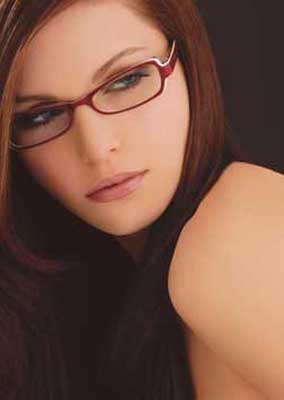
Choosing Fashion Eye Glasses

Posted by administrator Friday, December 5, 2008 1 comments


If you are having problems with your eyesight, you may have to check into the need in for glasses, either reading glasses or prescription glasses.

Are you worried about wearing specs? You might be wondering if eyeglasses will make you look old and drab. Well, the truth is today buying glasses is as exciting as buying new clothes. You just have to go to any shop selling eyeglasses, and you will be shocked at the variety of fashion eyewear available.

Choosing fashionable glasses that look good on you is very easy.
Innovation and design have taken on new meanings with companies manufacturing glasses that suit every taste and style. As you walk around on the streets sporting these fashionable frames, you are sure to be the center of attraction.

Some of the prominent designs include those with slim lined glasses, stylish rimless, sprightly angled frames, round specs and glasses with a bold frame which comes in a riot of colors providing a classic look.

Truly stylish eyewear will come with crystal clear lenses embedded in them. These glasses also have hinges with springs and are extremely comfortable to use. Did you ever imagine that you could choose from different colors of eye glasses? Well, you can. Attractive and bright colors include red, purple, green, violet, turquoise, etc.

Your personality can in fact define the type of frames you choose. The style can depend on the kind of look you want to sport. Go in for the stiff and formal looking glasses if you are the studious type, or just put on the unzipped and makeover glasses if you want to look stylish.

Men can choose from an array of interesting designs like the popeye glasses or even the cigar glasses. A variety of expensive metals are used to make these frames and the metals are long lasting. They come with excellent qualities including durability, light weight, lens which is anti shatter and anti scratch. What more? These glasses protect the wearer from the UV rays too.

As you venture out to choose your look, you have to decide on the type of lens you want. You can choose from the polycarbonate plastic lens, acrylic lens or the glass lens. Lenses that are photosensitive provide the eye with constant protection from sunlight as they turn pink, gray or brown to keep the eye cool and protected.

For a woman, there is no end to the exciting variety of fashion eye glasses. As a woman, you can choose eyeglasses just as you choose your jewelry, clothes and make up. An interesting variety of glasses are available in the market for you to choose from. Now you can walk around in style showing off your cool and fashionable eye glasses.

Adidas and Adistar are sports companies offering designer fashion eye glasses. These glasses add glamour to your personality and can be used while you play sports like golf too. The good quality lens does not distort distances, making them safe. These glasses come with frames which are pleasant to look at and soft to touch.

The festive season of Christmas and New Year is around the corner. Choose from a wide range of fashionable reading glasses to gift your near and dear ones. They will sure be thrilled to receive such a wonderful gift from you.

Suzanne Hughes is a style consultant for online EyeBobs reading glasses boutique, ReadinStyle. For more great advice and tips on how to look great in your eyeglasses, visit her style expert page at http://www.ReadinStyle.com/expert.aspx

Article Source: http://EzineArticles.com/?expert=Suzanne_Hughes


Your eyes are marvelous organs. Knowing how to care for your eyes can help to prevent cataracts, a clouding of the lens in your eyes that comes with aging. The best care you can give to your eyes is by helping your body to produce more of its master antioxidant Glutathione.

One study from the Journal of Ocular Pharmacology and Therapeutics showed that the cornea, lens, and retina area of the eye are especially sensitive to loss of antioxidant Glutathione, GSH.

Glutathione is your body's master antioxidant. All cells in our bodies use Glutathione.

Your eyes get exposed to a lot of oxidative stress and damage from UV radiation of sunlight. Glutathione is used directly by the lens of your eyes to deal with this daily stress.

Let's look at some major parts and functions of our eyes. Then let us see how the Antioxidant Glutathione can be the best nutrition for your eye health care.

Major parts and functions of the eye:

Your eye is like a very advanced camera. The function of eyes is to enable us to see things clearly at various distances and under various light conditions.

Different parts of your eyes work together in a complex way to achieve this important function. The following components of your eyes are especially susceptible to oxidative damage from sunlight.

1. Cornea
The cornea is the transparent front part of eye that covers the iris and pupil. The cornea passes light into the eye and helps your eye to focus.

2. Iris
The iris is the colored part of your eye. By making pupil larger or smaller, the iris helps to control the amount of light that enters the eye.

3. Pupil
The pupil is the dark opening in the middle of the iris. By changing size in response to the amount of light present, the pupil controls the amount of light that enters your eye.

4. Lens
The lens is the transparent part behind the iris. It helps focus light rays onto the retina.

5. Retina
The retina is the light sensitive, inner nerve layer of your eye. The retina is made up of light-sensitive cells known as cones and rods. These cells convert light into nerve signals, which are passed to your brain.

6. Macula
The macula is an oval yellow area in the retina. Macula contains the highest concentration of the special light sensitive cells called cones. The macula enables us to see small, fine details clearly.

Antioxidant Glutathione for Eye Health:

An article "Glutathione: A Vital Lens Antioxidant" from the Journal of Ocular Pharmacology and Therapeutics show that Glutathione (GSH) exists in an unusually high concentration in the lenses of our eyes.

GSH plays a vital role in maintaining the lens tissues' transparency. Glutathione detoxifies the potentially damaging oxidants with which our eyes come into contact.

The study also shows that the level of GSH in the nucleus of the lens is particularly low for older people. If preventive eye care is not taken, prolonged oxidizing damage can lead to cataracts.

If you are older than 20 years old, your body starts to produce less Antioxidant Glutathione each year as you age.

It's very important to consider an effective supplement to improve your Glutathione level for your eye health. [Unfortunately, the majority of the Glutathione supplements on the market are not effective.]

I encourage you to learn more about Glutathione and the many benefits and roles this multiple-purpose antioxidant plays for your eye health and other health areas.

You will come to appreciate how important Gluathione is for your eye health care.

Antioxidant Vitamin E, Vitamin C, and Alpha lipoic acid for Eye Health:

In the November 2006 issue of Breakthroughs in Health magazine, an article "Antioxidants May Prevent Vision Loss" mentions an eye health study done by scientists at the Johns Hopkins School of Medicine.

They found that antioxidant vitamin E, vitamin C, and alpha lipoic acid are effective in fighting against age-related retinal and macular degeneration.

In that eye health study, Dr. Campochiaro says, "What's clear is the link between oxygen and photoreceptor damage, as well as the potential of antioxidant treatment."

Look for supplements that contain Antioxidant vitamin C and Antioxidant alpha lipoic acid. Along with other essential nutrients, vitamin C and alpha lipoic acid can work synergistically to help your body improve your Glutathione level for eye health.

Ruby McGrath is a wife, mother, and nutrition consultant with a special interest in antioxidant health. She partners with a team of professionals in the field of medicine and nutrition to help make people aware of importance of Glutathione for cellular health. Visit http://www.rubymcgrath.com to learn more about the most important health breakthrough.

Article Source: http://EzineArticles.com/?expert=Ruby_McGrath

Glaucoma - A Major Cause Of Blindness

Posted by administrator Thursday, July 24, 2008 0 comments


Glaucoma occurs when the intraocular pressure exceeds the ability of the affected eye to tolerate it. This is as a result of aqueous humor, a clear fluid that is continually produced within the eye to bathe and nourish it. In a healthy eye, this fluid flows and drains out at the same rate. This maintains a steady pressure within the eye referred to as Intraocular Pressure (IOP).

In patients with Glaucoma, the eye continues to produce the aqueous humor, but it is unable to drain at the normal rate. The result is an increase in IOP. This high intraocular pressure results in visual loss by damaging the optic nerve and retina.

Glaucoma usually affects both eyes. Visual loss from Glaucoma is irreversible; no medical treatment or surgical operation can restore vision that has been lost as a result of Glaucoma.


Visual loss first occurs in the peripheral portion of the visual field if the disease is not controlled. A patient with Glaucoma may have good central vision but very restricted peripheral (side) vision.

The normal intraocular pressure is 10-21 mmHg. This is considered normal because the intraocular pressure of 95 percent of eyes measured falls within this range.

Glaucoma may occasionally occur in any eye with intraocular pressure within the normal range. Such a case is called “Low Tension” Glaucoma. An intraocular pressure above 21mmHg does not necessarily mean that Glaucoma is present, but it should be suspected. Until Glaucoma is proven, such a patient is considered to be a “Glaucoma Suspect” or “Ocular Hypertensive”. The presence of ocular hypertension alone does not establish the diagnosis of Glaucoma; two out of the following three criteria usually are required to establish diagnosis of Glaucoma:

- Elevated intra ocular pressure

- Visual field loss

- Damage to the optic disc

Healthy Living is dedicated to providing basic information on most health condition.Learn more about your health from this authoritative site.

Article Source: http://EzineArticles.com/?expert=Noble_Ihezie


What is Glaucoma?

Posted by administrator 0 comments


This article gives an overview of glaucoma, looking at glaucoma symptoms; the causes of glaucoma; how glaucoma is diagnosed by your doctor and finally glaucoma treatment.

Glaucoma is a group of eye diseases in which damage to the nerve located in the back of the eye (optic nerve) results in loss of eyesight. At first, side (peripheral) vision is lost. If glaucoma is not treated, vision loss may continue, leading to total blindness over time.

Glaucoma Symptoms.

There are three basic types of glaucoma:

Open-angle glaucoma (OAG) is the most common form of glaucoma in the United States and in the United Kingdom. In open-angle glaucoma, the optic nerve is slowly damaged, usually causing gradual loss of vision. Both eyes can be affected at the same time, although one may be affected more than the other. Sometimes much of your eyesight can be affected before you notice a change.

Closed-angle glaucoma (CAG) is less common, accounting for about 10% of all glaucoma cases in the United States. In closed-angle glaucoma, the colored part of the eye (iris) and the lens block the movement of fluid between the chambers of the eye, causing pressure to build up and the iris to press on the drainage system (trabecular meshwork) of the eye. It may cause sudden blurred vision with pain and redness, usually in one eye first; symptoms may also include nausea and vomiting. A related type, acute closed-angle glaucoma, is often an emergency situation and needs immediate medical care to prevent permanent damage to the eye.

Congenital glaucoma is a rare form of glaucoma that is present in some infants at birth. Glaucoma that develops during the first few years of life is called infantile glaucoma. Infants with congenital or infantile glaucoma usually have cloudy eyes that are sensitive to light and have excessive tearing. Symptoms may not develop until 6 months to 1 year after birth. If the problem is not detected early and treated, the child may have severe vision loss and may go blind. People between the age of 3 years and young adulthood can develop a similar type of glaucoma called juvenile glaucoma.

What causes glaucoma?

Damage to the optic nerve is thought to be caused by increased pressure in the eye (intraocular pressure, or IOP). This may result from excess fluid, called aqueous humor, building up in the eye because the eye produces too much or drains too little of the fluid. However, many cases of glaucoma develop without increased IOP. In these cases, decreased blood flow to the optic nerve may cause the damage. Glaucoma may develop after an eye injury, after eye surgery, from the growth of an eye tumor, or as a complication of a medical condition such as diabetes. Certain medications (corticosteroids) may cause glaucoma when they are used to treat eye inflammation or other diseases. Glaucoma that develops as a result of another condition is called secondary glaucoma.

How is glaucoma diagnosed?

Your health professional will take a medical history and do a physical exam. If glaucoma is suspected, you usually will be referred to an eye specialist (ophthalmologist) for further testing and treatment. The initial evaluation by a specialist may require up to 3 visits.

Glaucoma Treatment?

Treatment for glaucoma focuses on preserving eyesight by slowing the damage to the nerve in the back of the eye (optic nerve). Most treatment aims to prevent further damage to the optic nerve by lowering the pressure in the eyes (intraocular pressure, or IOP). Glaucoma is usually treated with medications such as eye drops. Laser treatment or surgery is often needed.

Copyright 2006 Michael Saville

For further information on glaucoma and other topics on eye health visit http://www.eye-care.me.uk

Article Source: http://EzineArticles.com/?expert=Michael_Saville


Nowadays we have many kind of lenses available in the market which vary corresponding to the requires of the individuals. They include disposable, flexible wear, extended wear, and gas permeable and contacts for special demands. Thin finely crafted plastic discs designed to fit the cornea of the eye are more helpful than the eye glasses as the contact lenses allow better vision.

For the individuals who prefer to wear contact lens for the first time, here are some types of lenses and guidelines must be follow.

Types of Lenses:

Soft lenses:Contact lens

Disposable lenses:

Disposable lens are for the individuals who don't have time to do everyday care and cleansing to their contacts. You can select either a daily disposable one or that which will last for a week or two. Daily disposable ones do not need disinfecting and cleaning solutions. These are available for different eye types, and also in color if you opt to use a color less for a while. Consult the optometrist for the exact brand.

Yearly soft contact lenses:

They last for a year. Made of soft material, which help oxygen transmittance, this helps in preventing drying of the eyes. Once these are removed after wear they require careful cleansing, disinfecting and storage.

Gas Permeable/ Rigid gas permeable/ Oxygen permeable lens

Gas permeables allow excellent clearness of vision, durability and transmit more oxygen to the eye than the soft lenses. They are easier to clean and last up to a year. But GPs have their own fault. Individuals require} some time to adjust wearing these lenses as they are made of hard material. They are made of semi- rigid material that don't contain water. Synergy Eyes lens have overcome this deficiency by combines a GP center with soft outer ring, thus allowing a comfort and visual acuteness.

Flexible and Extended wear contacts:

These are particularly designed for individuals who prefer to wear the lens continuously and don't like to put them in and take them out several times a day. You can even sleep with these lenses. They are made of material that provide more oxygen to reach your eye's cornea. You can apply them without removal for successive seven days.

Torics for astigmatism:

They allow the same level of comfort and clarity vision. What makes them unique is they help in correct astigmatism. Astigmatism according to encyclopaedia is the inability of the cornea to properly focusing an image onto retina, therefore leading a blurred image. Torics are available in both GP and soft lenses. They are designed to stay in the same place even as being worn.

Cosmetic Lens:

There are 4 types of colored contact lenses: visibility tints, enhancement tints, opaque color tints and light-filtering tints. The right power value is in the center of the colored lens. Cosmetic or colored lens follow the same cleansing regime. Many of these lenses are available without visible correction. Cylindrical lenses are not available in color formatting.

About 40 million individuals wear contact lenses only in USA. It has won many clients who are affected by visual troubles. Contacts can be safe, fun and useful than your eyeglasses, but it requires its own care and has many principles to follow.

Contact Lens Coupons and Deals provides detailed information on Discount Contact Lens Coupons, Color Contact Lens Coupons, Contact Lens Discount Coupons, Contact Lens Coupons Stores and more. Contact Lens Coupons is affiliated with Contact Lens Coupons And Deals.

Article Source: http://EzineArticles.com/?expert=Ahmed_Foaud


New York Eyelid surgeons perform eye surgery or ocular surgery. It is surgery which is performed on eye or its adnexa and performed by eye surgeons known as ophthalmologist. Experienced ophthalmologist performs eye surgery.

Eye is most delicate organ of human body and requires extreme care during and after surgical procedure. Ophthalmologists perform eye surgery based on needs for specific procedure and responsible for performing surgery safely. During eye surgery general anesthesia is required. Local anesthesia is also used.

The local area infiltrating is done by retrobulbar and peribulbar techniques. The local area surrounding area need by infiltrated surrounding eye muscle cone and are used to immobilize extraocular muscles and eliminate pain sensation.

Lidocaine is used as topical anesthesia for quick procedures of cleaning eye during and before eye surgery. Generally for children, major orbitotomies, children and apprehensive patients this is used.

During local anesthesia and general anesthesia cardiovascular monitoring is required. During phacoemulsification a plastic sheet is used with receptacle and collects the fluid.

The different type of eye surgery is performed by New York Eyelid surgeons like glaucoma surgery, canaloplasty, cataract surgery, laser eye surgery, refractive surgery, vitreo-retinal surgery, corneal surgery. New York Eyelid surgeons have performed various eye muscle surgeries.

Eye muscle surgery is surgery performed in extraocular muscle and is third most common eye surgery. Eye muscle surgery is performed on basis of strabismus and includes myectomy, tenectomy, tenetomy, myotomy and recession involving moving of insertion of muscle posteriorly towards its origin.

Eyelid surgery is part of Blepharoplasty. Blepharoplasty is plastic surgery and eyelids remove excessive skin or subcutaneous fat. It involves many repairs like ectropian repair and entropian repair. Cantholysis is part of surgical division and performed on canthus of eye.

New York Eyelid surgeons have used various methods to perform a successful eye surgery by using all safe precautions and methods. The eye surgery involves the use of anesthesia, lidocaine, use of retrobulbar and peribulbar techniques.

Author has resource about newyorkcityeyelidsurgeons and want to get people of newyork city a perfect eye surgery through newyorkcityeyelidsurgeonstips Newyorkcityeyelid surgeons can help to improve eye care.

Article Source: http://EzineArticles.com/?expert=Anil_Suri


Contact lenses are a great alternative to glasses and many people prefer them. However, there are so many types to choose from now and several different wear schedules that it can be difficult to choose.

There are a variety of contacts that are designed to be used for a specific amount of time:

Disposable

Disposable contact lenses can be used once before throwing them out. Because of this, they are often cheaper and are the ideal solution for anyone who doesn't want the fuss and bother of dealing with cleaning and rinsing solutions. It can be tempting to wear them for longer than the recommended period, but this will cause irritation and blurry vision and could even damage your eyes. Depending on the type you have, they will need to be replaced daily, weekly or monthly. Colored disposable contact lenses can be used intermittently for longer as they are usually only for decorative use.

Many long term wear contact lenses are actually disposable, as well.

Daily Wear

These are available in either hard or soft lenses and can be used during the day only, they are removed during the night. This type of contact lens must be carefully cleaned according to instructions before putting them back into your eyes in the morning. Without cleaning, the lens could trap debris against your eye and cause irritation. It is also a good idea to use the proper cleaning solutions and times for best results.

Extended or Long Term Wear

Most contacts with this option can be used continuously for up to a week, including overnight. However, there are some soft contact lenses that actually allow you to wear them for 30 days straight. They will then need to be discarded or thoroughly cleaned and disinfected before reuse.
The main reason extended wear contacts can be used for so long is because they allow oxygen to reach the eye, making them safe for continuous use. One of the disadvantages of extended wear contacts is that it tends to be easier to develop an infection, however the convenience usually outweighs this possible issue.

Flexible Wear

Some people find it easier to remove and clean their extended wear contact lenses each night. This lets them use them for longer and when a situation comes up (sleeping over, camping, or travel), the contact lenses can safely be used overnight without any ill effects. This often provides the best of both worlds to contact users and eliminates the need to carry glasses with them on overnight trips.

Caring for Your Eyes

Just because your contact lens is supposed to be good for a long period of time doesn't mean you should necessarily use them for that length of time. It's important to pay attention to your eyes and know when you need to remove the contacts. Sometimes eyes are more sensitive as when you are recovering from an injury or pink-eye.

If your eyes feel irritated, hot or itchy with contact lenses in, or if your vision is blurry, it might be a good idea to try removing them and going without for a bit. To avoid these problems, be sure to follow the directions on how to clean and look after your contact lenses. Torn edges or cracks can also damage your eye, sometimes permanently.

Contact lenses can be a huge improvement over glasses, but you also don't want to ruin your eyes.
Notice how your eyes look and feel and if you find that your contacts are bothering you: just take them out for a bit. Especially in the beginning, you may not be able to wear your contact lenses for the recommended amount of time.

Clearly Contacts is an online provider of contacts, eyeglasses and designer frames. Finding the right contact lens is important to not only improving your vision but also making you feel and look great.

Article Source: http://EzineArticles.com/?expert=Amy_Nutt


Search

Recent Post

RSS Feed Subscribe posts via RSS FEED
Subscribe posts via email:

Delivered by FeedBurner

Followers