Background of Leukemia

Posted by administrator Thursday, November 20, 2008 0 comments

Cancer hits many families and many people at all ages of life. It is a devastating diagnosis for the patient and friends and family. Leukemia is a form of cancer where immune cells proliferate without normal regression after disease has been terminated. It is named for the "milky" coloration of blood from the high count of white blood cells. Leukemia often hits children and symptoms can be disregarded and not properly diagnosed if not treated immediately.

Leukemia is actually a broad medical term. Leukemia cancer is separated into two, more defined forms named chronic leukemia and acute leukemia. Acute leukemia cancer tends to afflict children and young adults. Its proliferation of bone marrow cells inhibits bone marrow to make properly healthy cells. It is an extremely dangerous form of cancer since malignant cells are readily available to the blood stream to transport to other organs.

Chronic leukemia cancer is better known for the abnormal proliferation of mature white blood cells. When your body is faced with disease, white blood cells divide rapidly to quickly eliminate intruding microbes. A normal immune system will later destroy the excess white blood cells, however with leukemia they continue to proliferate. Chronic leukemia mostly afflicts older adults, and therapy is monitored through typical, regular doctor appointments.

The abnormal response from immune cells in cancer patients of leukemia will eventually suppress the immune system giving rise to symptoms of the disease. One life threatening side effect of abnormally high white blood cells is the lowered amount of red blood cells which carry oxygen to the body. The low red blood cell count causes anemia in leukemia patients. Other typical reactions include flu-like symptoms such as fever, chills, and sweats. Fatigue and lethargy are often acquired. For acute symptoms, bone pain, joint pain, and severe paleness are shown in patients.

Some leukemia patients do not even show signs of high white blood cells in diagnosis tests. A rare form called aleukemia exists where test results can return as normal, however the patient still possesses abnormal growths of bone marrow tissue.

Theories as to the causes of leukemia cancer are thought to arise from mutated DNA in somatic cells. The DNA mutations inhibit natural cell death, division, and proliferation. These mutations are thought to be the result of exposure to radiation or other carcinogens.

Viruses can also account for certain samples of leukemia in patients.  Human immunodeficiency virus (HIV) or human T-lymphotropic virus are thought to carry with them a form of leukemia.

If you or a loved one is diagnosed with leukemia, there are some common treatments to expect. Chemotherapy is probably the most common form of anti-cancerous treatment. Chemotherapy is used in most forms of cancer as an efficient way to kill cancer cells. Interferon treatment is a new, less traumatic form of therapy. It stimulates the immune system to fight off the disease. Other forms of treatments are marrow transplants and radiation treatment. Transplants will replenish bone marrow with healthy cells while radiation will target harmful cancer cells for elimination.

For more information, visit http://www.oncancer.tv.

Article Source: http://EzineArticles.com/?expert=Jennifer_Marsh
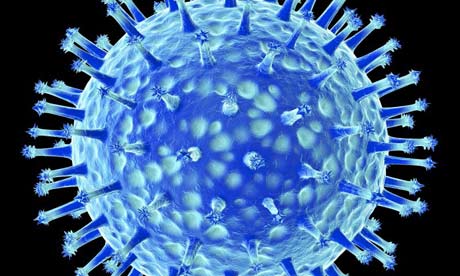
About The H5N1 Virus

Posted by administrator Wednesday, November 19, 2008 0 comments


In recent years there has been an outbreak of the H5N1 virus affecting birds in Asia, Europe and Africa, the mortality rates being high. Many cases of people infected have been registered but the risk lyes in a possible development of a new and more powerful virus. This can happen as the H5N1 virus is replicating constantly and could even mix with other known viruses like the human flu virus.

The influenza A viruses are the main causes of avian influenza or bird flu. The disease is carried out by wild birds without affecting them. However, for domestic poultry the manifestations can range from mild to severe which are lethal. The strain that has produced most deaths in both poultry and humans around the globe is the H5N1, highly pathogenic and easily transmissible. Other subtypes include H9 and H7 but, they are less capable of severe outbreaks.

Moreover, in the past the H5N1 virus has been detected in various parts of the world like South Korea, Asia, Europe and the Middle East proving that avian influenza is fairly easy transmissible. The worry comes from migrating birds which can carry the infection to any continent without a chance of ensuring protective measures. For a country that has been affected by this flu exiting quarantine is permitted three months after tests carried out indicate the virus is not longer present.

Furthermore, research shows that the H5N1 strain is breaking boundaries and can pass to humans. Bird to human transmission is possible in communities where people are in close connection with their domestic birds. Other risk places include poultry farms and markets because the virus persists on surfaces and in secretions. Even more, there have been situations of human to human transmission but in isolated areas and the disease hasn't spread further. The source of the contamination was traced to domesticated birds living in close quarters with their owners. Symptoms of bird flu can range from conjunctivitis and flu manifestations (fever, sore throat, cough) to more severe ones such as pneumonia, acute respiratory infections, viral pneumonia which can eventually lead to death.

To conclude, it can be stated that, the current information about the H5N1 virus is disturbing and increases the need for effective medication to prevent the spread of the disease and the death of the affected people. Even more, the capacity of the virus to modify its genetic structure and to combine with other viruses makes it imperative to create a vaccine sooner than ever.

For more information about bird flu or even about asian bird flu please review this page http://www.bird-flu-info-center.com/asian-bird-flu.htm

Article Source: http://EzineArticles.com/?expert=Groshan_Fabiola


The bird flu viruses are mostly subtypes of Influenza Virus A. There are several H5 and H7 subtypes of the 'influenza A' virus that cause bird flu among the birds. The wild fowls are considered to be the reservoir of the bird flu virus since ages. The migratory birds carry the pathogens from place to place and in turn infect the local population of the birds causing wide spread deaths.

Till 1997, the virus was restricted to the arboreal species and pigs. They never infected humans. But, the deaths in Hong Kong and other parts of the south east Asian countries have raised alarm throughout the medical world. Though it was a known fact that bird flu viruses mutate to different kinds but this was the first time that the viruses adapted themselves to be strong enough to attack mammals including humans and dogs. This bird flu virus has been identified as the H5N1 virus, a subtype of the H5 viruses.

The complete name of this virus is HPAI A (H5N1) (highly pathogenic avian influenza virus). The present form of bird flu virus is a fast mutating virus and extremely pathogenic in form than the previous strains till date. The viruses are present in the respiratory system of many species of birds. So, the spread of the virus to any part of the world is inevitable. They are mostly carried by the migratory birds.

The H5N1 virus has mutated to a form that is capable of infesting the humans and some other mammals; and the impact could be fatal enough to kill the hosts. They generally attack the respiratory system and the symptoms are almost similar to normal flu. It has become a 'panzootic' virus which means it can attack any species.

The studies conducted on them show that they continually evolve through antigenic drift. They infect humans through direct contact with the infected birds or patients suffering from the bird flu. The infected birds pass the virus in the environment through their nasal secretion, saliva, feces and blood droplets. The virus moves into the human body through the nasal cavity or the mucous membrane of the eyes.

The virus H5N1 has really become a nightmare because of its kind to mutate very fast and the evolving status may take it to a very lethal form. The scientists working on bird flu are of the view that the consequence of the combination of this H5N1 virus with human flu virus may be so complicated that before anything would be thought, it would wipe out millions of lives.

Precaution is very important. So, if there is an outbreak in your area, be prepared to defy the bird flu virus with proper care and implement the methods instructed by the health department in your area.

To get more information on bird flu, bird flu virus and bird flu vaccine visit http://www.isitbirdflu.com

Article Source: http://EzineArticles.com/?expert=Aasheesh_Jain


Search

Recent Post

RSS Feed Subscribe posts via RSS FEED
Subscribe posts via email:

Delivered by FeedBurner

Followers